

Campaign events are distinct activities organized to advance electoral goals through fundraising, voter contact, education, and mobilization. Understanding the types of campaign events available to you is the difference between a scattered calendar and a coordinated strategy that builds real momentum. Platforms like HubSpot Marketing Studio, NetSuite, and Mautic each track these events differently, but the underlying categories remain consistent across campaigns of every size. This guide breaks down every major event type, compares formats, and gives you the planning framework to choose the right mix for your race.
1. What are the main types of campaign events?
Campaign events fall into five core categories: fundraising, voter engagement, Get Out The Vote (GOTV), voter education, and hybrid or virtual events. Each category serves a distinct function in your campaign arc. Fundraising events generate the resources you need to run everything else. Voter engagement and GOTV events build the field operation that wins elections. Education events create informed supporters who stay involved long after the event ends.
Mautic classifies campaign events into three technical types: action events, decision events, and condition events. That framework maps directly onto political campaigns. Action events execute a task, decision events branch based on behavior, and condition events branch based on data. Knowing which type of event you are running tells you what success looks like and what follow-up is required.
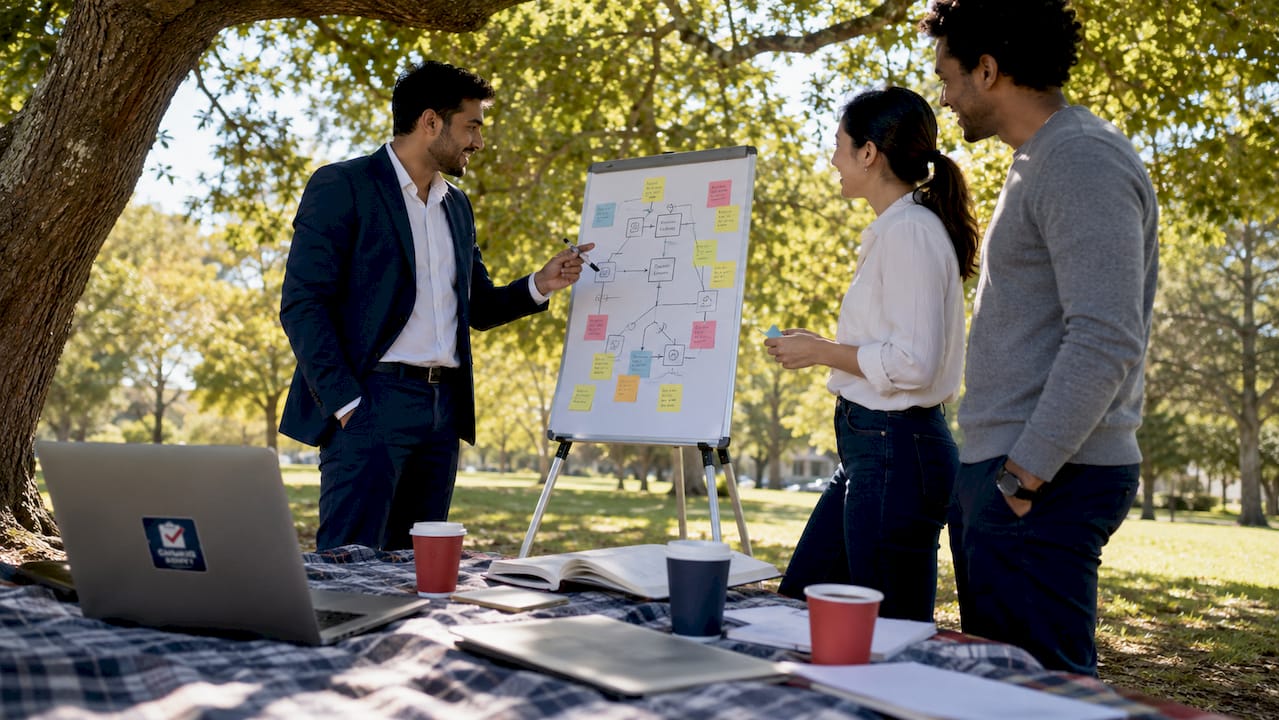
2. Fundraising events: formats and what works
Fundraising events are the financial engine of any campaign. The most common formats are donor dinners, house parties, online crowdfunding drives, and auctions. Each format carries a different cost structure and donor relationship.
Formats at a glance:
- Donor dinners: High-dollar, formal, best for major donor cultivation. Require venue, catering, and a compelling ask.
- House parties: Low cost, high intimacy. A supporter hosts 15–30 guests in their home. Ideal for grassroots campaigns.
- Online crowdfunding drives: No venue cost. Reach is unlimited. Best paired with a deadline or matching gift challenge.
- Auctions: Generate excitement and media attention. Require donated items and strong emcee work.
- Phone-a-thons: Volunteers call donor lists from a central location. Low overhead, scalable to any campaign size.
The strongest grassroots fundraising events combine a low barrier to entry with a clear, urgent ask. House parties outperform formal dinners on cost-per-dollar-raised for campaigns under $500,000. Adding a virtual attendance option to any in-person fundraiser broadens participation without proportionally increasing costs.
Pro Tip: Pair every in-person fundraiser with a live-stream option. Supporters who cannot attend in person often give at the same rate as those in the room, and you capture a second wave of donations in the 48 hours after the event.
NetSuite demonstrates why timing matters: when you set an email event to Execute, the system sends at the exact scheduled date and updates status automatically. The same discipline applies to fundraising event invitations. Late invites kill attendance and donations.
3. Voter engagement and outreach events explained
Voter engagement events are the backbone of field organizing. The primary formats are canvassing kickoffs, meet-the-candidate forums, voter registration drives, and neighborhood walks. Each one serves a different point in the voter contact cycle.
Core voter engagement event types:
- Canvassing kickoffs: Launch a day of door-knocking. Brief training, route assignment, and a send-off rally.
- Meet-the-candidate forums: Structured conversations between candidates and voters. Best run without podiums or microphones.
- Voter registration drives: Staffed outreach at high-traffic locations targeting unregistered voters.
- Neighborhood walks: Informal candidate appearances in specific precincts. High trust, low cost.
- Phone bank events: Volunteers call targeted voter lists from a shared space. Trackable and repeatable.
The format of meet-the-candidate events matters more than most organizers realize. Routing voters by district into separate rooms for face-to-face conversations at candidate tables, without a formal moderator, produces deeper dialogue than a traditional panel format. Printed district materials sharpen the candidate's messaging for each room.
Voter registration drives work best in short, focused windows. Time-boxed registration events running three hours, with staffed roles dedicated to registration assistance, reduce volunteer burnout and improve the quality of each interaction. Community First Democrats ran a successful drive from 11 a.m. to 2 p.m. using exactly this model.
Pro Tip: At GOTV rallies, brief volunteers on canvassing routes before the rally ends. GOTV events that include an immediate handoff to field activity on the same day convert attendees into canvassers at a far higher rate than events that end with a send-off and a promise to follow up.
4. Educational and issue-focused campaign events
Educational events build the informed base that sustains a campaign through a long organizing arc. Town halls, issue forums, and legislative strategy sessions each serve a different function in this category.
Town halls are most powerful when framed as the launch of a multi-month strategy, not as standalone events. Town halls with clear follow-up steps such as issue listening campaigns and large-scale canvassing generate significantly more volunteer engagement than those that end without a defined next action. The first-ever GROWW town hall in western Wisconsin demonstrated this model, using the event as a public launch for a broader organizing effort.
Educational event formats:
- Town halls: Public forums on campaign issues. Best used as organizing launches, not one-off appearances.
- Issue forums: Deep dives on a single topic like healthcare affordability or rural broadband access. Attract committed voters.
- Listening sessions: Candidate or staff attend to hear community concerns. Builds trust in low-information precincts.
- Legislative strategy events: Briefings for supporters on pending legislation. Converts informed voters into advocates.
- Deep canvassing prep sessions: Train volunteers on extended conversations about specific issues before sending them to doors.
The measurable next step is what separates a productive educational event from a feel-good gathering. Every town hall or issue forum should end with a specific ask: sign up to canvass, register a neighbor, or attend the next event. Without that ask, attendance data tells you nothing about whether the event moved your campaign forward. For more on building these outreach strategies, the Campaignbuddyhq blog covers the full cycle.
5. Comparing in-person, virtual, and hybrid campaign events
Choosing the right format is as important as choosing the right event type. In-person, virtual, and hybrid events each carry distinct trade-offs in cost, reach, and depth of engagement.
| Format | Cost | Reach | Engagement depth | Best use case |
|---|---|---|---|---|
| In-person | Medium to high | Local | High | Canvassing kickoffs, donor dinners, town halls |
| Virtual | Low | Regional or national | Medium | Fundraising drives, issue briefings, volunteer training |
| Hybrid | Medium | Broad | Variable | Meet-the-candidate forums, GOTV rallies, major announcements |
In-person events build the deepest relationships but limit your geographic reach. Virtual events eliminate travel and venue costs, but attendee attention drops without strong facilitation. Hybrid events capture both audiences, but they require dedicated staff to manage the remote experience. A poorly run hybrid event delivers a worse experience than either format alone.
HubSpot Marketing Studio tracks attendees for both virtual and in-person marketing events within the same campaign dashboard. That unified view matters because your follow-up strategy should differ by format. In-person attendees are warm contacts ready for a direct ask. Virtual attendees often need one more touchpoint before they commit to field activity.
GitLab's marketing operations team categorizes field events and webcasts separately for spend tracking and alignment. Political campaigns benefit from the same discipline. Tracking in-person and virtual events separately reveals which format produces better volunteer conversion for your specific race.
6. Campaign event planning tips that actually work
Effective event planning starts with goal clarity. Vague goals and demographic-only audience definitions consistently undermine event effectiveness. Behavior and intent-based segmentation produce better outcomes. "Reach voters aged 35–55" is a demographic goal. "Re-engage supporters who attended one event but have not volunteered" is a behavioral goal. The second drives a better event design.
Planning framework for any campaign event:
- Define the goal. Dollars raised, volunteers recruited, voters registered, or doors committed.
- Segment your audience. Use behavior and intent, not just demographics.
- Select the format. Match in-person, virtual, or hybrid to your goal and audience.
- Set the timeline. Large events need 6–12 months of advance planning. Smaller events need at least 8 weeks.
- Assign roles. Every event needs a logistics lead, a communications lead, and a follow-up owner.
- Define your KPIs. Track attendance, conversion to next action, and cost per outcome.
- Execute follow-up within 48 hours. The window for converting event energy into field activity closes fast.
For tracking campaign activities across multiple event types, a centralized system prevents data from falling through the cracks between events.
Pro Tip: Build your follow-up sequence before the event happens, not after. Write the thank-you email, the volunteer ask, and the donation follow-up in advance. Timely execution of event follow-up, especially email sends, is critical to messaging consistency.
Key takeaways
The most effective campaign event strategy combines fundraising, voter engagement, education, and GOTV events into a coordinated arc, with format chosen by goal and audience rather than habit or convenience.
| Point | Details |
|---|---|
| Match event type to goal | Fundraising, voter engagement, education, and GOTV events each serve a distinct campaign function. |
| Format shapes outcomes | In-person builds depth, virtual extends reach, and hybrid requires dedicated management to work well. |
| Behavioral segmentation wins | Targeting by behavior and intent produces better event outcomes than demographic targeting alone. |
| Plan timelines by event size | Large events need 6–12 months of lead time; smaller events need at least 8 weeks. |
| Follow up within 48 hours | Event energy converts to field activity fastest in the two days immediately after the event. |
What I have learned about picking the right event types
After working through dozens of campaigns, the biggest mistake I see organizers make is treating event types as interchangeable. A town hall is not a substitute for a canvassing kickoff. A fundraising dinner does not build the same volunteer pipeline as a house party. Each event type has a specific job, and mixing them up wastes time and money.
The campaigns that win are the ones that treat their event calendar as a strategic arc, not a series of one-offs. A town hall in march should feed directly into a canvassing program in april. A voter registration drive in july should build the list that powers your GOTV rally in october. When you build campaign organizing this way, each event multiplies the impact of the next one.
The other lesson I keep relearning is that hybrid events are harder than they look. Campaigns adopt them because they want the best of both worlds, but without a dedicated person managing the virtual experience, remote attendees feel like an afterthought. Either staff the hybrid format properly or run two separate events. The data from GitLab's campaign tracking approach confirms this: separate tracking for in-person and virtual events reveals which format actually converts for your audience.
Volunteer conversion is the metric most organizers undercount. An event that brings 100 people through the door but converts zero to field activity is a failure, regardless of how good the energy felt in the room. Build the conversion ask into the event design from the start, not as an afterthought at the end.
— Billy
How Campaignbuddyhq supports your event planning
Running multiple campaign event types across a full electoral cycle requires more than a spreadsheet. Campaignbuddyhq is built specifically for political campaigns and issue advocacy groups that need to plan daily activities, log outreach, and track progress toward real goals.
The platform tracks doors knocked, calls made, texts sent, and registrations captured, all in one place. Whether you are coordinating a voter registration drive or managing volunteer handoffs after a GOTV rally, Campaignbuddyhq keeps your data organized and your team aligned. It works for campaigns in rural and low-density communities where every contact counts. Start with a free 7-day trial at Campaignbuddyhq, no credit card required, and see how much cleaner your event tracking becomes.
FAQ
What are the main types of campaign events?
The main types of campaign events are fundraising events, voter engagement events, GOTV events, educational events, and hybrid or virtual events. Each type serves a distinct function in advancing electoral goals.
How far in advance should you plan a campaign event?
Large campaign events require 6–12 months of advance planning to secure venues and speakers. Smaller events need at least 8 weeks of lead time.
What makes a meet-the-candidate event more effective?
Routing voters by district into separate rooms for face-to-face conversations, without a formal moderator or podium, produces deeper dialogue and better candidate-voter connections than traditional panel formats.
What is the difference between a virtual and hybrid campaign event?
A virtual event runs entirely online, while a hybrid event combines in-person and remote attendance simultaneously. Hybrid events require dedicated staff to manage the remote experience or the virtual audience receives a significantly worse experience.
How do you measure campaign event success?
Tie every event to a specific, measurable goal such as dollars raised, volunteers recruited, or voters registered. Behavior-based audience segmentation and defined KPIs set before the event produce more useful data than post-event attendance counts alone.