
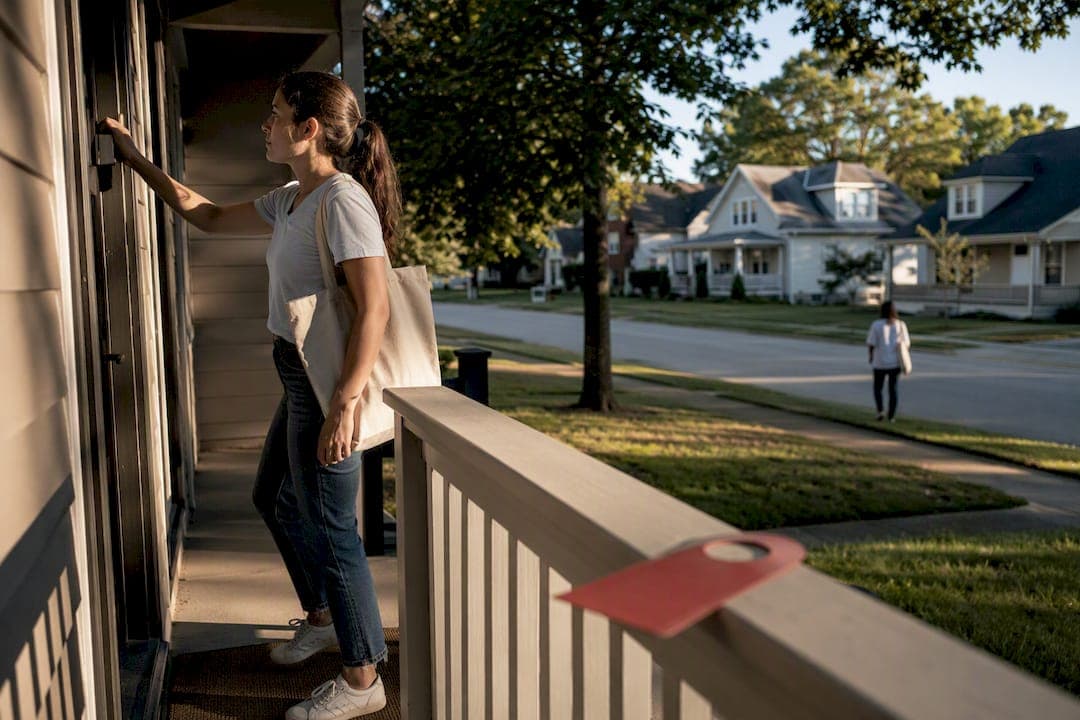
The single most effective tactic in small town campaigning is a disciplined, high-contact field program built around door-knocking, local influencer endorsements, and handwritten follow-ups. In a town of a few thousand voters, personal contact moves votes more than any ad ever will, because everyone knows someone who knows you. Pick one neighborhood tonight and run a two-hour canvass using a short, honest script. Start there.
TL;DR:
- Knocking on 1,000 doors can flip a small town election of a few thousand voters, given the tight vote margins typical in such races.
- Community endorsements and personal relationships hold more influence than paid ads, with local influencers being key to building support.
- Volunteers should focus on short, door-to-door routes with clear scripts, log responses immediately, and follow up with handwritten notes within 48 hours.
- Small campaign budgets should prioritize yard signs, targeted mail, and community events instead of broad digital advertising, relying on grassroots fundraising.
- Using campaign software for scheduling, logging outreach, and supporter tracking significantly improves volunteer coordination and follow-up effectiveness.
Table of Contents
- Why Small Town Campaigning Demands a Different Playbook
- Core Field Tactics: Canvassing, Meet-and-Greets, and Physical Materials
- Messaging and Activating Local Influencers
- Volunteer Recruitment, Training, and Retention in Spread-Out Communities
- Fundraising and Budget Priorities for Small-Town Races
- Campaign Phases: A Compact Timeline That Actually Fits a Small Race
- Handling Scrutiny, Risk, and Ethical Lines in a Small Community
- How Campaign Software Keeps a Small Team Organized
- What Running Small Campaigns Actually Teaches You
- Try Campaign Buddy HQ: What to Test in the Trial
- Sources
Why Small Town Campaigning Demands a Different Playbook
Winning a city council seat in a town of a few thousand registered voters might require a few hundred votes. That math changes everything. Knocking on 1,000 doors in a race like that can flip the outcome outright, something that would barely register in a district ten times the size.
Small towns also run on reputational networks instead of mass media. News travels through the diner, the church bulletin, the co-op board meeting, and the high school booster club before it ever hits a mailer. The USDA Economic Research Service classifies these communities by exactly the traits that shape campaign strategy: low population density, longer travel distances between neighbors, and thinner volunteer pools spread across more ground.
That visibility cuts both ways. A single rude interaction at the hardware store can cost more votes than a bad debate answer. But it also means:
- Authentic, specific answers spread faster than any paid message
- A well-run canvass generates its own word-of-mouth advertising
- Small missteps get magnified because everyone is watching, and everyone talks
Field contact outperforms broad media here because the town itself is the media.
Core Field Tactics: Canvassing, Meet-and-Greets, and Physical Materials
Door-to-door canvassing is still the backbone of small town campaigning, but sloppy execution wastes volunteer hours fast. Plan routes by cul-de-sac or block, not by address list, and budget realistically: most volunteers manage 12 to 18 doors an hour in a residential area, fewer on rural routes with long driveways.
- Open with your name, the office, and one sentence about why you're running.
- Ask one open-ended question ("What's the biggest issue on this street?") and actually listen.
- Leave a palm card only after the conversation, not instead of one.
- Log the response immediately, before the next door.
Meet-and-greets and listening events work best in someone's living room or a diner back room, capped at 15 to 20 people so it stays a conversation, not a speech. Community engagement research backs this up: small-group formats and informal advisory sessions consistently surface more usable local concerns than large town-hall formats.
Door hangers and palm cards earn their keep on the doors nobody answers. Keep the leave-behind to one issue, one promise, and your contact information. Save the multi-issue brochure for supporters who ask for it.

Pro Tip: A handwritten note mailed within 48 hours of a good doorstep conversation converts undecided voters better than any follow-up call. It costs a stamp and ten minutes, and people remember it.
Track every conversation. A step-by-step outreach system turns scattered notes into a real follow-up list instead of a shoebox of index cards.
Messaging and Activating Local Influencers
Your message needs to fit in one sentence: name the problem, name your specific fix, and attach a measurable promise. "Our roads flood every spring; I'll get the drainage grant application filed by June" beats any slogan.
Local influencers in a small town aren't celebrities. They're the people whose opinion already carries weight at the co-op, the VFW hall, or the little league board:
- Business owners who employ a chunk of the workforce
- Clergy and church council members
- Volunteer fire department and rescue squad leaders
- Coaches, teachers, and school board members
- Longtime residents who show up at every public meeting
Approach them with a specific, small ask, not a blanket endorsement request. "Would you be willing to say a sentence about why you're supporting me at the farmers market?" works better than "Will you endorse me?" A house party hosted by a respected neighbor does more for name recognition than a $500 ad buy, and it costs a pot of coffee and some cookies.
Volunteer Recruitment, Training, and Retention in Spread-Out Communities
Recruit where people already gather: Rotary and Kiwanis meetings, church coffee hours, the feed store bulletin board, and workplace break rooms. The lowest-friction ask isn't "join my campaign." It's "can you knock 20 doors on your own street Saturday morning?"
Train every new volunteer in under 15 minutes before their first shift:
- Cover basic safety (dogs, weather, when to walk away from a hostile door)
- Run through the script once, out loud, together
- Show exactly how to log a door: supportive, undecided, opposed, not home
- Confirm they know where the leave-behinds and clipboard live
Retention in a spread-out town is about small wins, not big rallies. Post a weekly doors-knocked tally, rotate who leads a shift, and text a personal thank-you after every session.
Pro Tip: Assign each volunteer their own street or two, permanently. Ownership beats a random assignment every time, and it saves you the awkward "who's covering this block" scramble.

A volunteer strategy built around recognition and micro-goals keeps a five-person team showing up week after week, which matters more in a small town than recruiting fifty people once.
Fundraising and Budget Priorities for Small-Town Races
Most local races, from school board to town council, run on budgets between a few hundred and a few thousand dollars, not the six-figure sums you see in state races. That money should go toward printing (yard signs, door hangers, palm cards), a small targeted mail piece late in the race, and covering the cost of two or three meet-and-greet events.
Skip broad digital ad spending. In a town this size, it reaches mostly people who can't vote for you.
Grassroots fundraising works better than any other channel:
- House parties where a host asks 10 friends for $25 to $50 each
- Direct, personal asks: a phone call or coffee meeting, not a mass email
- A simple online donation page shared through your own network first
Before you spend a dollar, check your county board of elections for filing thresholds and reporting deadlines. Requirements vary by jurisdiction and office, and missing a filing window creates a problem no amount of canvassing fixes. A grassroots fundraising framework can help set realistic targets for each phase.
Campaign Phases: A Compact Timeline That Actually Fits a Small Race
Most winning local campaigns follow a five-phase arc, scaled down for a smaller electorate:
- Pre-announcement: Test the message with 20 to 30 conversations before you file.
- Filing and launch: Announce, recruit your first five volunteers, start your voter list.
- Name recognition: Canvass broadly, get yard signs up, secure early endorsements.
- Persuasion: Target undecided voters identified during earlier canvasses; hold meet-and-greets.
- Get-out-the-vote (GOTV): Contact every identified supporter twice in the final ten days.
An 8-week local campaign breakdown is a useful template: weeks 8 to 6 focus on name ID and volunteer recruitment, weeks 5 to 3 on persuasion doors and mail, and the final two weeks on GOTV calls, reminder texts, and a last canvass pass through every supporter street.
Handling Scrutiny, Risk, and Ethical Lines in a Small Community
Running for office in a small town means your grocery store trips and your kid's soccer games become part of the campaign, whether you like it or not. Protect a little personal space where you can, and tell your family what to expect before it happens.
When a doorstep conversation turns hostile, don't argue the point. A calm "I hear you, I'll look into that and follow up" ends more confrontations than any rebuttal does.
- Store volunteer and voter contact lists securely, and limit who has access to the full file
- Never share a supporter's personal information outside the campaign
- Pause a tactic immediately if it starts drawing complaints, and ask a local election official before pushing further
- When in doubt about a filing rule or a gray-area tactic, get a real answer instead of guessing
Reputation is the currency of local politics. Survey data on elected officials shows responsiveness ranks among the traits voters value most, and that reputation gets built or broken door by door.
How Campaign Software Keeps a Small Team Organized
A spiral notebook works until week three, when you can't remember which of 200 doors already got a follow-up. Software solves three specific problems: daily scheduling, outreach logging, and supporter tracking, so nothing falls through the cracks between volunteers.
A minimal setup looks like this:
- A daily plan listing which streets get knocked and by whom
- An outreach log capturing doors, calls, and texts as they happen
- A volunteer shift schedule that shows gaps before Saturday morning
- Automated follow-up reminders for every "undecided" conversation
Logging a conversation the moment it happens turns a vague memory into a scheduled task, which is what actually gets someone knocked twice more before election day. A 7-day free trial with no credit card required can provide enough time to log one real canvass shift and see whether the follow-up reminders change your callback rate.
What Running Small Campaigns Actually Teaches You
The biggest surprise in small races isn't the door-knocking. It's how often a single well-placed conversation with a skeptical business owner does more than a week of flyers. Two things hold up every time: track every contact the same day you make it, and never let a volunteer leave a shift without knowing exactly when they're coming back.
If you're building out your own field plan, test a workflow before you need it under pressure. Small adjustments made in week two save real headaches in week eight.
— Billy
Try Campaign Buddy HQ: What to Test in the Trial
This platform is an alternative to a shoebox of index cards and a scattered group text for running a small campaign's daily operations. It replaces guesswork with a daily plan, an outreach log for doors, calls, and texts, and a supporter tracker that shows exactly who still needs a follow-up call.
The 7-day free trial requires no credit card, which makes it easy to test on a real shift instead of a hypothetical one. Log one canvass, assign the follow-up tasks it generates, and see whether your volunteers show up better organized the next week. If you want to see the platform's daily planning and outreach tools in action, start a free trial at Campaign Buddy HQ and run it against your next canvass night.
Sources
- Community engagement techniques (University of Utah / DePaul resources compilation)
- What is rural? (USDA ERS)